
Ticks & Tick Bites: Symptoms, Removal, and When to See a Dermatologist
What is a Tick Bite?
A tick bite occurs when a tick attaches itself to the skin and feeds. Ticks are often found in grassy, wooded, or brushy environments and are initially unnoticed due to their small size and painless bites.
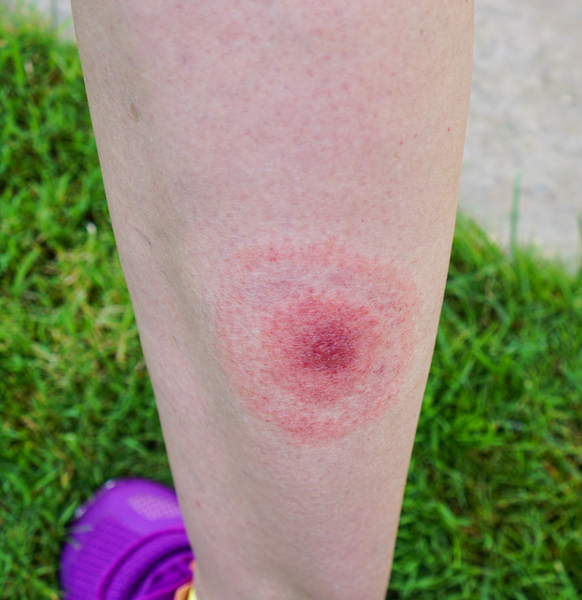
Common signs of a tick bite:
-
A small red bump at the site of attachment
-
Mild swelling or irritation
-
Itching or slight discomfort
-
A visible tick embedded in the skin
Where are Ticks Most Commonly Found?
Ticks are found throughout the United States, but certain regions have higher concentrations and a higher risk of disease transmission.
High-risk regions include:
-
Northeast & Mid-Atlantic (Pennsylvania, New York)
-
Upper Midwest (Minnesota, Wisconsin)
-
Southeast (North Carolina, Tennessee, Virginia)
- West Coast (Northern California, Oregon)
-
Tall grass and meadows
-
Forests and wooded trails
-
Leaf piles and brush
-
Areas with deer or wildlife
Important: Ticks are found outside rural areas. Suburban backyards, especially in places like Pennsylvania, often harbor ticks.
Types of Ticks that Bite Humans
Different ticks carry different risks.
|
Tick Species
|
What They Look Like
|
Where They Are Found
|
What Disease They Spread
|
|
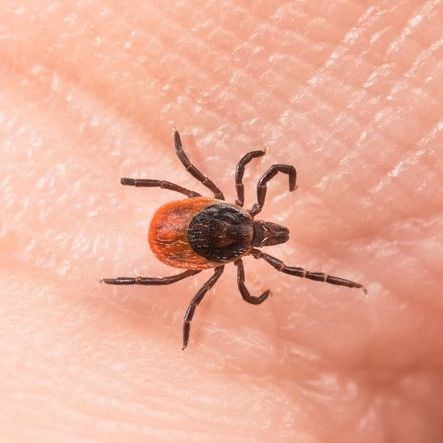
Blacklegged Tick or "Deer Tick"
|
 |
Northeast, Mid-Atlantic, Upper Midwest
|
Lyme Disease
|
|
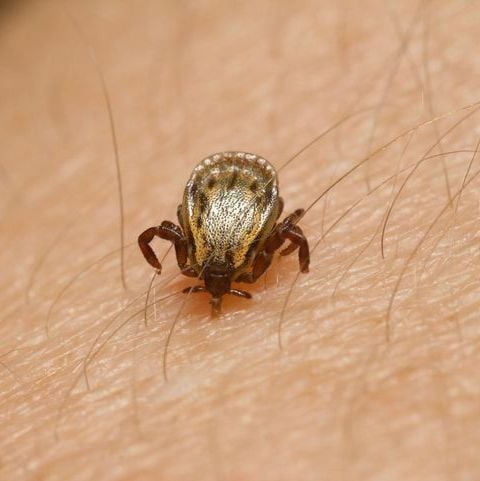
American Dog Tick
|
 |
Rocky Mountains to East Coast
|
Rocky Mountain Spotted Fever
|
|
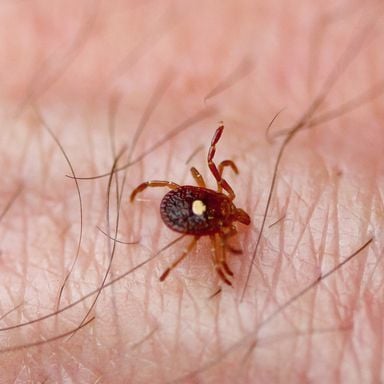
Lone Star Tick
|
 |
South, Southeast, Midwest, Mid-Atlantic
|
Alpha-Gal Syndrome (Red Meat Allergy)
|
How to Safely Remove a Tick
If you find a tick attached to your skin, remove it as soon as possible, place it in a plastic bag or other sealed container, and photograph the insect in case symptoms develop later.
Step-by-step tick removal:
- Use fine-tipped tweezers.
- Grasp the tick as close to the skin as possible.
- Pull upward steadily. Do not twist.
- Clean the area with soap and water or alcohol.
Important: Avoid folklore remedies like burning the tik or using petroleum jelly. These methods can increase infection risks.
Symptoms to Watch After a Tick Bite
Most tick bites are harmless, but symptoms can develop days to weeks after the bite.
After a tick bite, you should monitor for:
- Expanding rash, especially a bullseye pattern
- Fever or chills
- Fatigue
- Headaches or muscle aches
- Joint Pain
When Should You See a Dermatologist for a Tick Bite?
Many people wait too long to seek care. Early evaluation can prevent complications and speed up recovery.
You should consult a dermatologist if:
- You can’t fully remove the tick.
- The bite becomes increasingly red, swollen, or painful.
- You develop a rash, especially one that spreads.
- The skin shows signs of infection (pus, warmth, tenderness).
- You’re unsure whether a blemish is a tick bite or other skin condition.
Why dermatology matters when it comes to tick bites:
Dermatologists are trained to:
- Identify early signs of tick-borne illness.
- Differentiate between harmless bites and concerning rashes.
- Prescribe appropriate treatment quickly.
Fast, Convenient Care with DermatologistOnCall
With DermatologistOnCall, you can have your tick bite reviewed by a board-certified dermatologist without waiting weeks for an appointment.
Benefits of evaluating tick bites with DermatologistOnCall include:
- Answers in hours, not weeks. Most patients are addressed within 24 hours. The average treatment time is just 7 hours.
- No live visit required. Our platform is fully online with photo and message-based care.
- Expert evaluation of rashes and bites. Our network is staffed by board-certified dermatologists.
- Personalized treatment plans and prescriptions are sent to your local pharmacy when necessary.
Frequently Asked Questions
What patients are asking us about tick bites.
What happens if a tick stays in your skin?
The longer a tick remains attached, the greater the risk of disease transmission.
Do all tick bites cause Lyme disease?
No. Only certain ticks (blacklegged or deer ticks) carry Lyme disease. Not all bites result in infection.
How soon should I submit a visit after a tick bite?
Seek care if symptoms develop or if you're unsure about the bite. Early evaluation is key.
Can a dermatologist treat tick bites online?
Yes. DermatologistOnCall provides expert evaluation, diagnosis, and treatment plans entirely online.